
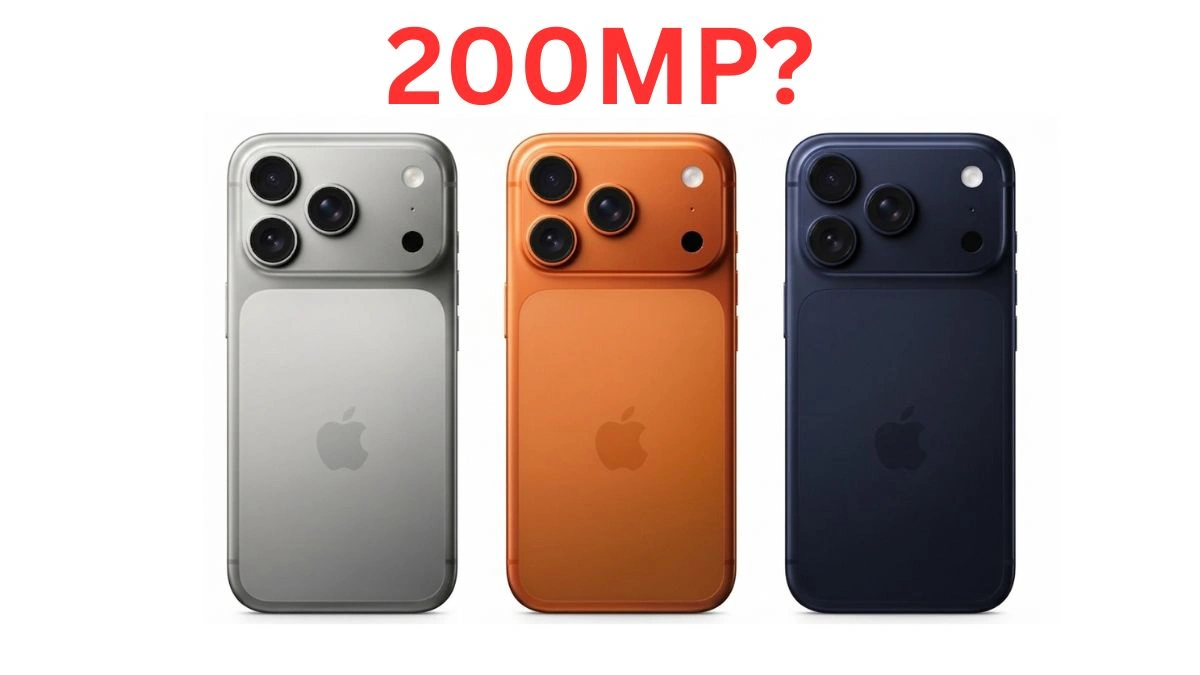
Apple is working on a major upgrade for its future iPhones. According to recent leaks and reports, the company is testing a 200MP camera sensor for upcoming models. This is a big change compared to the current iPhone cameras, which use 48MP sensors.
The new 200MP camera is still in testing, and it may take a few years before it comes to real iPhones. However, this rumor gives a clear idea about Apple’s future camera plans. In this blog, we will explain everything in simple language, including camera details, technology, and what users can expect.
Recent reports suggest that Apple is exploring a 200MP camera for future iPhones. The company is currently testing this sensor at an early stage and evaluating how it performs in real-world conditions. According to analysts, Apple may introduce this camera around 2028 with a future iPhone lineup. At the moment, Apple is still focusing on improving its 48MP camera system, which is already used in recent iPhones.
To understand the upgrade, it’s helpful to look at the current camera system Apple uses. Their latest Pro models feature a 48MP main camera, a 48MP ultra-wide, and a 48MP telephoto lens. While Apple used to use 12MP sensors, they moved to 48MP to capture much more detail. Instead of just chasing higher numbers, Apple focuses on computational photography, which uses smart software to make every photo and video look professional.
A 200MP camera means the sensor can capture images made of 200 million tiny pixels. For users, this translates to more detail in every photo, allowing you to zoom in or crop images without losing much quality. While a higher pixel count doesn’t always guarantee a better photo, it is very helpful for capturing sharp details, especially when you have plenty of light.
Based on recent leaks and industry reports, the upcoming 200MP camera is set to feature a much larger sensor compared to current smartphone cameras, possibly around 1/1.3-inch or bigger—similar to premium flagships like the Samsung Galaxy S series. Apple is reportedly testing advanced sensors from suppliers like Sony or Samsung, designed to capture significantly more light for sharper images. This larger sensor size delivers several key advantages: superior low-light performance with brighter, clearer night shots; reduced noise for cleaner details even in dim conditions; and improved dynamic range that handles high-contrast scenes better, preserving highlights and shadows without overexposure or loss of detail.
Apple is likely to use pixel binning technology with the new 200MP sensor. This smart feature combines multiple pixels into one super-pixel, so the final image outputs at a lower resolution like 12MP or 50MP instead of the full 200MP. It greatly improves low-light photography by gathering more light, boosts color accuracy for vibrant and true-to-life tones, and enhances overall image clarity with sharper details even in tough conditions.
A 200MP sensor can greatly improve digital zoom on smartphones. It’s expected to deliver up to 4x zoom without any quality loss, while keeping better detail in zoomed photos. This works because the sensor packs way more pixels, letting the camera crop into the image sharply without losing clarity or sharpness.
Apple will continue to rely heavily on its powerful software processing even with the new 200MP sensor. Key features like Smart HDR for better exposure across bright and dark areas, Deep Fusion for sharper details by blending multiple shots, and improved Night mode for stunning low-light results are all expected to shine. Even with such a high-resolution sensor, Apple’s main strength will stay its advanced image processing system that turns raw data into pro-level photos.
Reports suggest Samsung may supply the 200MP camera sensor for future iPhones, possibly starting with models around 2028. This isn’t unusual since Apple already works with Samsung for key components like OLED displays, memory chips, and even some current camera sensors, alongside suppliers like Sony. Samsung’s expertise in high-megapixel sensors, seen in Galaxy Ultra phones since 2023, makes them a strong partner, and they’re ramping up production in facilities like Austin, Texas, to meet Apple’s demands for advanced image quality.
Unlike other brands, Apple doesn’t quickly adopt new hardware like a 200MP camera sensor. They prioritize quality control to ensure stable performance across all devices, which means high-resolution sensors need thorough optimization first. Heat management is key since bigger sensors generate more heat and demand better cooling solutions. High-resolution cameras also drain battery faster, so Apple plans carefully to balance power use. Finally, they avoid relying on one supplier through smart supply chain planning for reliable production.
Most likely, Apple will first introduce the 200MP camera in Pro models only. The first launch is expected in the Pro Max model, followed by later expansion to other Pro variants. This matches the same strategy Apple used for rolling out 48MP cameras, starting with premium devices before wider release.
Many Android brands like Samsung and Xiaomi already use 200MP cameras in their flagships. However, Apple takes a different approach by focusing on image consistency across all shots, natural colors that look real instead of over-processed, and powerful software optimization to get the best results. Android brands prioritize high megapixel numbers and frequent hardware upgrades to grab attention, while Apple prefers to improve both hardware and software together before releasing new features, ensuring everything works perfectly.
If Apple introduces a 200MP camera, users will notice practical improvements in everyday photography. Photos will capture much better detail with more information, especially in bright daylight shots. Zooming in will stay sharp without much quality loss, and images can be cropped heavily during editing while keeping clarity. Plus, these higher resolution photos will be future-proof for viewing on large screens or printing in big sizes.
The rumor about Apple testing a 200MP camera shows that the company is preparing for a major camera upgrade in future iPhones. While the feature is still in early stages, it highlights Apple’s focus on improving photography over time. The company is not rushing to adopt new technology but is carefully testing and refining it before release.
If the 200MP camera arrives, it will bring better detail, improved zoom, and more flexibility in photography. However, Apple will continue to focus on balanced performance, combining hardware and software to deliver a consistent experience.
For now, users can expect Apple to continue improving its current 48MP camera system while working on bigger upgrades for the future.
1 thought on “200MP Camera iPhone in Testing: Apple’s Big Upgrade Revealed”