
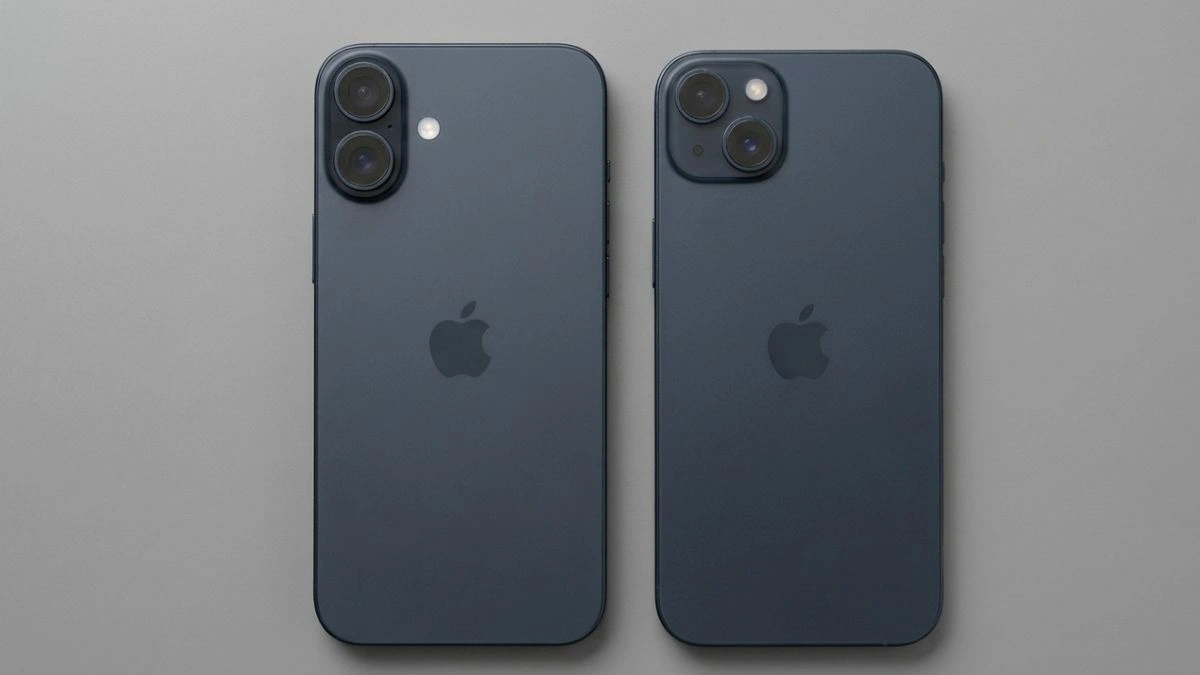
If you have been planning to buy an iPhone 15 or iPhone 16 in India and were waiting for a good deal this is your window closing. Apple is pulling its demand generation – Apple DG support for retailers and channel partners this week, a move that could push up the effective iPhone 15 price and iPhone 16 price by around ₹5,000. This is not a price hike that Apple has officially announced. The maximum retail price the MRP you see on the box is staying the same. But the discount you could get from a retailer is about to become significantly smaller, which means you will end up paying more at checkout.
This is happening now some retailers are treating today as the last day to make purchases at DG-backed pricing. One retailer, speaking anonymously, warned that buyers could end up paying roughly ₹5,000 more for the same devices once the support is removed.
The timing matters. The iPhone 17e launched on March 11, 2026. A new iPhone launch typically pushes buyers toward older models looking for value. That window is now narrowing and the DG withdrawal is the reason why.
What Is Demand Generation -DG Support
Most buyers have never heard of demand generation support. It operates completely behind the scenes between the brand and the retailer and never appears on any receipt or invoice. But it directly affects what you pay at the store.
Demand generation support is a backend incentive that companies give to retailers so they can offer discounts without officially reducing the MRP. Here is how it works in simple terms:
Apple sets the MRP of the iPhone 15 at, say, ₹54,900. The MRP never changes on paper. But Apple gives the retailer a backend payment called DG support which allows the retailer to sell the phone at ₹49,900 and still make their margin. The ₹5,000 difference is effectively being paid by Apple behind the scenes.
When Apple stops paying that backend support the retailer cannot absorb the ₹5,000 gap on their own. Their margin disappears. So they raise the selling price back closer to the MRP. From the buyer’s perspective, the phone suddenly costs ₹5,000 more even though Apple has not changed the price on paper.
DG support has been one of the biggest incentives so far for offering discounts to customers without reducing official prices. For models like the iPhone 15 and iPhone 16, this support has played a major role in keeping effective prices lower.
This is also why Apple’s cashback offers matter. Apple has recently slashed its cashback offers, which has already impacted the savings of customers. The combination of reduced cashback and now withdrawn DG support means buyers are losing two layers of discount simultaneously.
Which iPhones Are Affected — And Which Are Not
The rollback is limited to older and sustaining models. In Apple’s terminology, sustaining models are phones that are no longer the current flagship the iPhone 15 and iPhone 16 series fall into this category now that the iPhone 17 family has launched.
The latest iPhone 17 series is not affected. This means the iPhone 17, iPhone 17 Plus, iPhone 17 Air, iPhone 17 Pro, iPhone 17 Pro Max, and the iPhone 17e which launched on March 11, 2026 will continue to be sold with their existing support structures. DG withdrawal only applies to phones that Apple considers legacy products.
Effective prices for models such as the iPhone 14 and iPhone 15 series are likely to see the most immediate impact. The iPhone 16 series, while newer, is also considered a sustaining model now that the iPhone 17 family is the current lineup.
In practical terms if you want to buy an iPhone 15 Plus, iPhone 16, or iPhone 16 Pro Max at the current effective price you need to act before the DG support is withdrawn. After that, the same phone will cost approximately ₹5,000 more without any change to the official MRP.
Apple Has Not Officially Raised Any Prices
This is an important distinction. Apple has not sent any official communication to buyers, dealers, or the media announcing a price increase. The MRP on every iPhone model remains unchanged. Apple’s website still shows the same prices it did last week.
What is happening is a change in the commercial terms between Apple and its retail partners a backend business decision that indirectly raises what buyers pay at the store. This is entirely within Apple’s right to do and is not unusual brands regularly adjust their trade support programs.
While the listed price of the phone stays the same, the final price you pay at checkout is expected to increase.
For buyers, the practical difference is the same they will pay more for the same product. But it is important to understand that this is not Apple printing new price tags. It is Apple adjusting how much subsidy it provides to the retail channel and the retail channel passing that reduction on to buyers.
While seasonal sales and bank-led exchange promotions might still offer some respite, the persistent year-round discounts found in brick-and-mortar stores are likely to wane. This means that during Flipkart Big Billion Days or Amazon Great Indian Festival, you may still see deals but the baseline price between those sale periods will be higher than what it was before the DG withdrawal.
Why Apple Is Doing This — The Strategic Reason
Apple’s latest move signals a transition towards greater pricing discipline in India, one of its most vital growth markets. By narrowing the price gap between legacy products and the latest flagship models, the company appears to be nudging consumers toward its newer lineup, including the iPhone 16 and upcoming iPhone 17 series.
This is a well-established strategy in the smartphone industry. When older models are discounted aggressively, buyers who might otherwise upgrade to the newest model choose to buy the older one at the lower price. By reducing the discount on older models Apple makes the price gap between the iPhone 15 and the iPhone 17e seem smaller which pushes buyers toward the newer phone.
The iPhone 17e launched at approximately ₹51,999 in India. If the iPhone 16 was available at ₹46,000 due to DG support, the ₹6,000 gap makes the 17e look expensive. But if the iPhone 16’s effective price rises to ₹51,000 after DG withdrawal suddenly the ₹51,999 iPhone 17e with a newer chip, better modem, MagSafe, and Ceramic Shield 2 becomes the more logical choice.
Apple is also managing its inventory and product lifecycle more tightly in India as it scales up local manufacturing. With more iPhones being assembled at the Tata facility in Tamil Nadu, Apple has more control over how its products are priced and positioned in the Indian market.
Android Brands Have Been Hiking Prices Too
Across the Android side of the market, prices have been climbing since November. Pretty much every OEM, from Samsung and Xiaomi to Motorola and Nothing, has raised prices across a wide range of models, with hikes continuing into March.
The reasons behind the Android price hikes are different from Apple’s DG withdrawal but the outcome for buyers is the same.
The global smartphone supply chain has been under cost pressure from multiple directions:
Memory chip prices — NAND flash and DRAM prices have been rising since late 2025, driven by increased demand from AI data centres competing with mobile manufacturers for the same chip supply.
Display panel costs — OLED panel prices have increased as premium mid-range phones shift to AMOLED displays in larger volumes, putting pricing pressure on the supply chain.
Currency pressures — The Indian rupee has weakened against the US dollar over the past 12 months. Since most component contracts are priced in dollars, the cost of importing parts and finished goods into India has increased.
Logistics and freight costs — Global shipping costs remain elevated compared to pre-2023 levels.
The Indian smartphone market is heading into a turbulent phase in 2026. A mix of global supply constraints, a volatile rupee, and persistent cost pressures is expected to weigh on growth. Industry estimates suggest shipments could decline by 12–15% this year after a relatively flat 2025.
All of these factors together mean that the era of aggressively discounted smartphones in India may be coming to an end at least temporarily.
Final Thoughts
The iPhone 15 and iPhone 16 becoming effectively costlier in India by approximately ₹5,000 is a result of Apple withdrawing its backend DG support not an official MRP hike. The iPhone 17 series is unaffected. For consumers, the message is clear: the window for scoring a good deal on older iPhones is closing. With fewer discounts, reduced cashback, and rising industry-wide prices, the era of aggressively priced premium smartphones may be fading at least for now. If you have been eyeing an older iPhone, waiting might no longer pay off.
The broader trend rising prices across both Apple and Android reflects real cost pressures in the global smartphone supply chain. For Indian buyers, 2026 may be a year where the best strategy is to make a purchase decision sooner rather than later, before further price adjustments take hold.
Heplfull info