
The Nothing Phone 4a Pro and Nothing Phone 4a have been out for about a month now. The hype was real when they launched. The design looked different from everything else. The Glyph Matrix was all over social media. The specs looked solid for the price. But hype fades fast, and what matters is how a phone actually holds up when you are using it every single day for calls, browsing, gaming, photos, and just living with it.
After a full month of real use, here is an honest look at what these two phones are actually like to live with, whether the battery holds up, how they handle gaming, what the cameras are really like, and most importantly, whether there is a good reason to spend the extra money on the Pro over the standard 4a.
Nothing Phone 4a and Nothing Phone 4a Pro-Design and Build
The first thing you notice when you pick up either phone is that they both look different from most other phones in their price range.
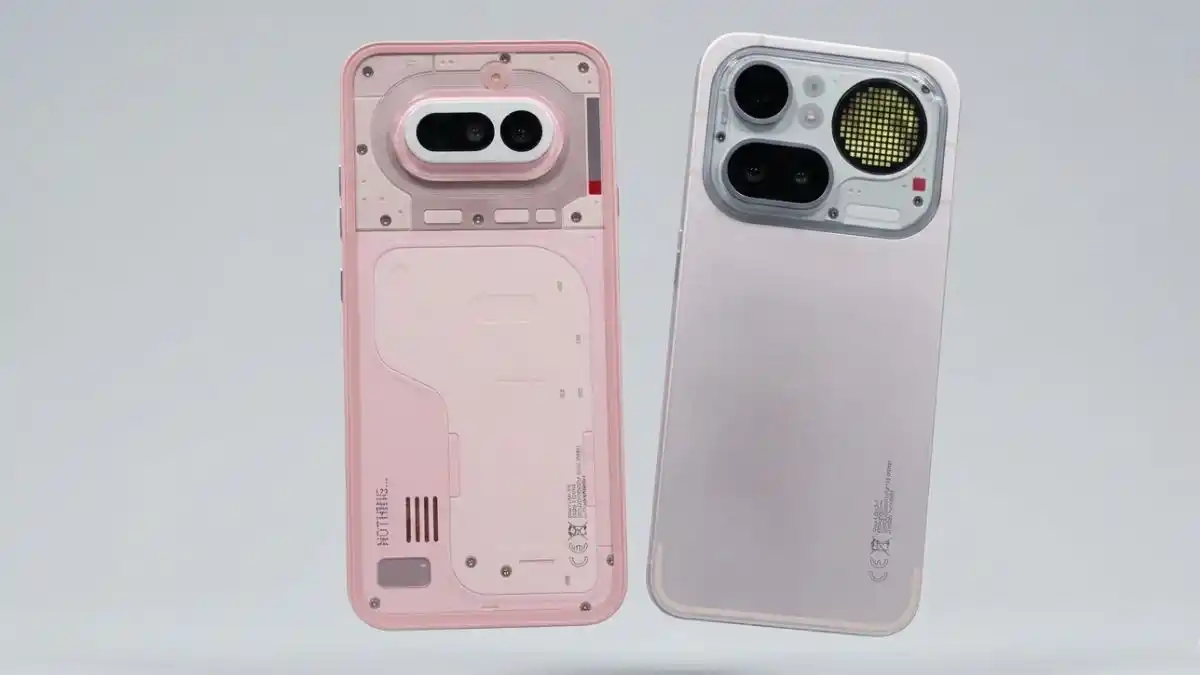
The standard Nothing Phone 4a keeps the brand’s well-known transparent back design. The rear panel borrows from the iconic transparent design of the previous smartphones but looks like a refined evolution of the Phone 3a. The camera module is now surrounded by an oval shape instead of a large circle, which fits the design better.
The 4a Pro takes a different direction. The Nothing Phone 4a Pro moves over to a new mostly-metal look. The aluminum build delivers a dead-simple matte metal finish for the part of the phone you are actually holding, while keeping Nothing’s heart and soul in the window towards the top.
The Nothing Phone 4a Pro comes with an aluminum frame and aluminum back, along with IP65 dust and water resistance. The standard 4a uses a glass back with a plastic frame. In hand, the Pro simply feels more solid and more expensive, which it is.
One thing both phones lack is wireless charging. When a phone lacks wireless charging, it is something that will change your everyday flow if you are used to wirelessly charging things. If you use a wireless charger pad on your desk or nightstand, this will affect you every single day.
Also Readhttps://echodesknews.com/xiaomi-18-pro-and-pro-max-leaks/
Nothing Phone 4a and Nothing Phone 4a Pro-Battery Reality
Both phones use a 5,080mAh battery with 50W wired charging. There is no difference in battery size between the 4a and 4a Pro, which is one of the more surprising things about these two phones.
Testing the 4a Pro, pushing the battery to well over four hours of screen-on time each day and going to bed with 30 percent or more charge remaining is typical for regular use involving apps like Chrome, Instagram, and Telegram.
The standard 4a does equally well in battery tests. In real-world testing, the 5,080mAh battery outlasted pricier and larger-celled mid-range phones, delivering 8.75 hours of screen-on time per charge. That equates to about a day and a half of confident use, and potentially two days if you are careful.
For Indian buyers, the numbers are even better. The Nothing Phone 4a comes with a 5,400mAh battery in India, which is approximately 8 percent larger than its predecessor. Consistently achieving five to six hours of screen-on time is typical, which is reliable for regular users. For everyday activities such as browsing, social media, streaming, messaging, and calling, you should still have around 20 to 30 percent battery left by the end of the day.
Also Read:https://www.91mobiles.com/reviews/nothing-phone-4a-review/
Charging at 50W gets you from 0 to 50 percent in about 22 minutes and full in around 64 minutes, which is reasonable but not the fastest in this price range.
Also Read:https://echodesknews.com/vivo-t5-pro-9020mah-battery-confirmed/
Nothing Phone 4a and Nothing Phone 4a Pro-Heating and Gaming
This is where some people will be disappointed if they are expecting a gaming-focused phone.
This phone is not a performance king. Your day-to-day usage probably will not notice it unless you game. However, games like Pokemon GO and Pokemon TCG Pocket can struggle at times on the 4a Pro. The animations can stutter, and there are moments where things do not load when expected.
The standard 4a has a similar story. If you enjoy heavier games like Genshin Impact and Wuthering Waves, you will have to settle for either Low for frame rates and a smoother overall experience, or Medium for better graphics but minor stutter.
If you push the Phone 4a a little extra, such as playing BGMI on higher graphics settings or extending gameplay beyond 30 minutes, you may notice some heating and frame rates can begin to fluctuate.
The good news is that neither phone gets dangerously hot. Even after hours of gaming, heating issues were not encountered during the review period. It is by no means the best gaming phone, but it can stand up to the task if necessary.
The 4a Pro handles games slightly better than the standard 4a because of its stronger Snapdragon 7 Gen 4 chip. The Phone 4a Pro was able to maintain a consistent 60 fps even at Ultra graphics settings for a considerable period, though it still experiences some hiccups here and there.
Nothing Phone 4a and Nothing Phone 4a Pro-Camera
Both phones carry a triple camera system with a 50MP main sensor, a 3.5x periscope telephoto, and an 8MP ultrawide. The 4a Pro gets a slight upgrade with dual-pixel autofocus on the main sensor, which improves focus speed.
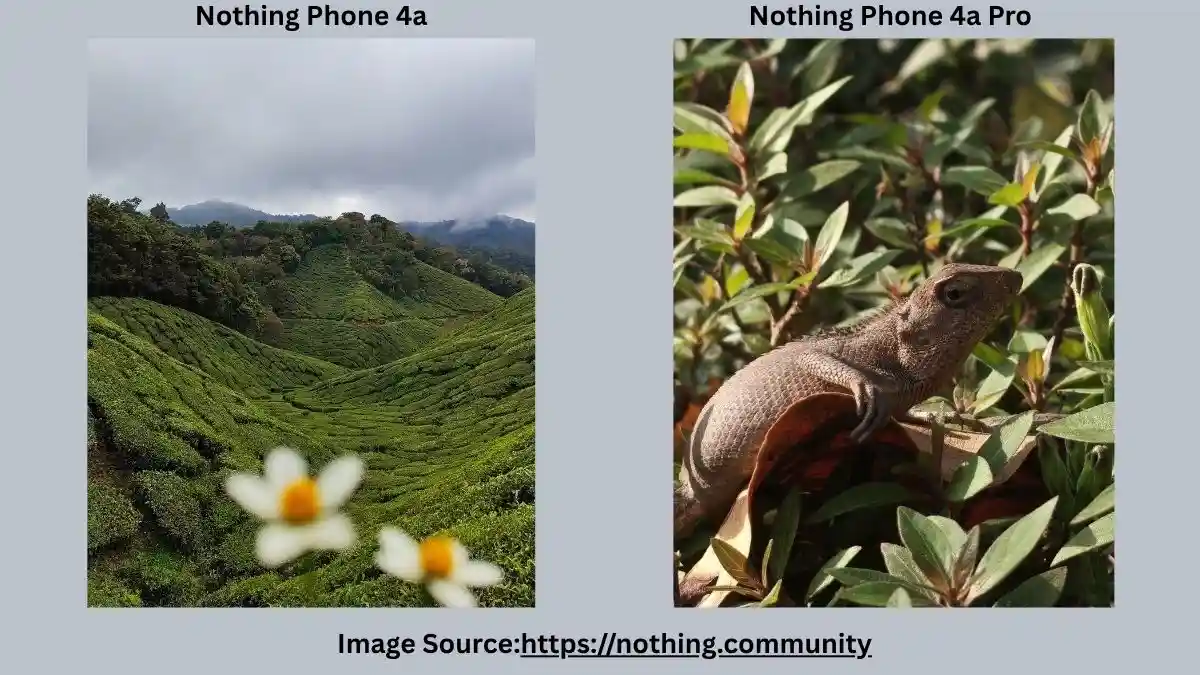
The 50MP main sensor is a reliable shooter. It offers bright colors, but thankfully not oversaturated. It handles taking photos of people well, particularly for portrait shots, making impressive cutouts that separate even the strands of hair.
For zoom shots, the telephoto is genuinely useful. While using the 50MP main camera, edges were largely as well defined as on the iPhone 16 Pro, and it maintains this detail well when using the 3.5x optical zoom. The 7x lossless zoom was almost as crisp as the iPhone 16 Pro’s 5x optical zoom, despite some slight haloing around highlights.
Low-light photography is also decent. The 4a Pro merges seven frames into one, which Nothing claims lets in 500 percent more light than rival cameras, and you can definitely see that in the finished results.
There are some areas where the camera does not fully deliver. Colors do not always look totally true to life. Shooting flowers, some of the hues were more muted than expected, looking a little more washed out than what an iPhone captures. The ultrawide camera is also the weakest link in the system on both phones, producing images that are noticeably softer than the main camera.
Nothing Phone 4a and Nothing Phone 4a Pro-Software Experience
If there is one area where both the Nothing 4a and 4a Pro genuinely stand out, it is the software.
The Nothing Phone 4a Pro ships with Android 16 out of the box and Nothing OS 4.1 on top of it. Nothing keeps the important pieces as they need to be, most notably with notifications, the launcher, and settings. This is close to the Pixel experience, and that is a good thing.
Nothing OS 4.1 is based on Android 16 and is a shining example of a good skin on Android. It makes changes to the design to fit Nothing’s aesthetic, to work with Nothing’s features, but it never goes so far as to ignore Google’s work in Android.
The Glyph interface both the Glyph Bar on the standard 4a and the Glyph Matrix on the Pro continues to be a useful notification tool once you set it up properly. It lets you flip the phone face down to mute, shows battery levels with a wiggle, and can display timers and third-party app progress.
Both phones are scheduled to receive three years of Android updates and six years of security patches, which is a solid commitment at this price point
Nothing Phone 4a and Nothing Phone 4a Pro-Software Experience
The Nothing Phone 4a runs on Snapdragon 7s Gen 4, while the Pro upgrades to Snapdragon 7 Gen 4. The standard model offers a 120Hz AMOLED panel, while the Pro upgrades to a 144Hz panel with higher peak brightness. Both devices retain identical battery capacities and charging speeds. The Pro introduces material and display upgrades, focusing on refinement rather than a dramatic shift.
In simple words, the 4a Pro gives you a better build, a smoother display, slightly better performance, and improved water resistance. But the battery is the same, the cameras are nearly identical, and the software is exactly the same.
The thing one has to wonder almost instantly is why not save some money and get the regular Nothing Phone 4a? After all, it starts at a notably cheaper price, and you would be getting a very similar package overall.
Final Words
After a month, both the Nothing Phone 4a and 4a Pro have proven themselves to be solid, reliable mid-range phones that stand out from the crowd. The software experience is clean and one of the best you will find at this price. The battery lasts a full day comfortably. The camera handles most situations well. And the design genuinely looks different from everything else on the market.
This is such a well-put-together phone. The theme is simple yet clean, there are widgets here that are not found on other phones, and the clocks and fonts and animations and haptics all combine in a way that gives Nothing phones their own feel.
The standard Nothing Phone 4a is the better value pick if you are working with a tighter budget and do not need the aluminum build or 144Hz display. The 4a Pro makes sense if you want a phone that feels more premium in hand and offers slightly smoother performance day to day.
Neither phone is a gaming powerhouse and neither has wireless charging. If those two things matter a lot to you, look elsewhere. But if you want a phone that feels fresh, runs clean software, takes good photos, and lasts the day both the Nothing 4a and 4a Pro are worth buying in 2026.
Disclaimer: This blog is based on publicly available reviews, testing data, and real-world user experiences from multiple credible sources. Individual experience may vary.